
Retailers today face a costly balancing act. While customers expect products to be available whenever they shop, many businesses continue to run out of their best-sellers while warehouses remain full of slow moving inventory. The root of this challenge often lies in the lack of an integrated inventory management system that provides accurate demand forecasts and real-time stock visibility. Without connected data, inventory decisions become reactive rather than strategic.
The Cost of Best-Sellers Shortages and Overstocked Slow Movers
According to a Microsoft-led study, as many as 70% of consumers are likely to switch to an alternative brand when their desired product is out of stock. Despite this, many retailers still replenish inventory without leveraging deep and accurate demand planning. Failing to account for factors such as seasonal demand shifts, supplier lead time fluctuations, changing consumer preferences, and unexpected market disruptions can create a costly imbalance.
Best-Sellers Shortages
Lost Sales
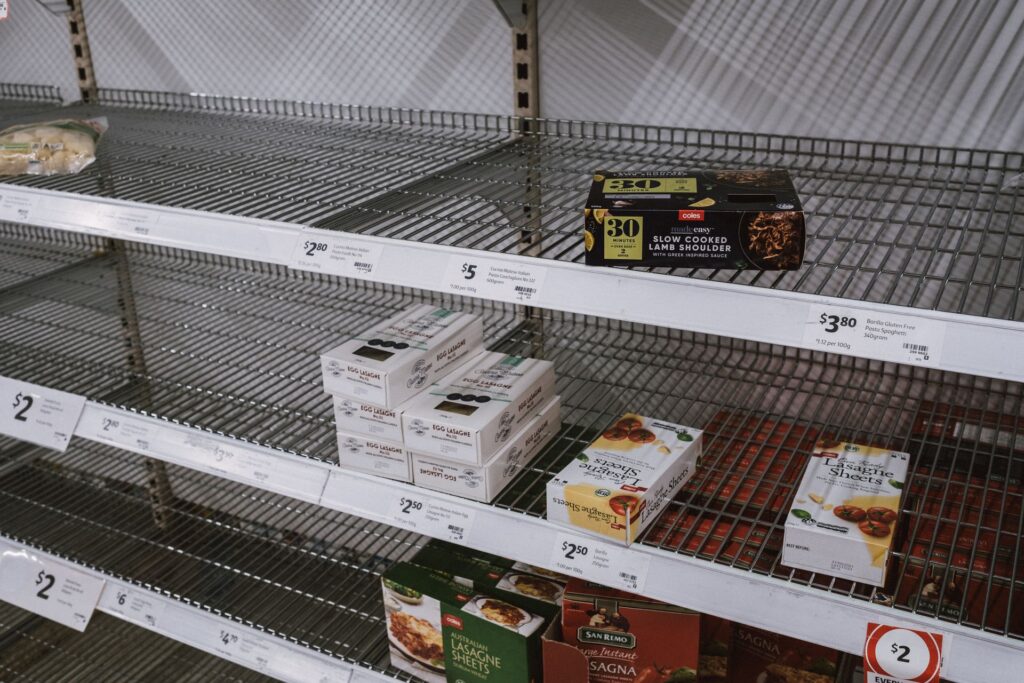
When popular products are out of stock, retailers immediately lose potential revenue. Customers who cannot find the items they want are unlikely to wait for replenishment and may abandon their purchase altogether.
Fueling Competitors
Stock shortages often drive customers to competing retailers that can fulfill their needs. Every unavailable product creates an opportunity for competitors to gain not only the sale but also valuable customer trust and market share.
Missed Long-Term Customer Loyalty
An out of stock experience can have lasting consequences beyond a single transaction. Repeated inventory shortages may erode consumer confidence, making shoppers more likely to switch brands permanently.
Overstocked Slow Movers
Trapped Cash
Excess inventory ties up working capital that could otherwise be invested in high-demand products. Slow-moving stock effectively becomes “trapped cash,” reducing financial flexibility and limiting growth opportunities.
Wasted Space & Lost Opportunity
Warehouse and shelf space cluttered with low-performing products reduces the capacity available. This inefficient use of storage can hinder inventory turnover and prevent retailers from maximizing sales potential.
Rising Carrying Costs
Holding excess inventory increases storage, insurance, handling, and maintenance expenses. In addition, products may become obsolete or depreciate in value over time.
Disconnected Supply Chain System
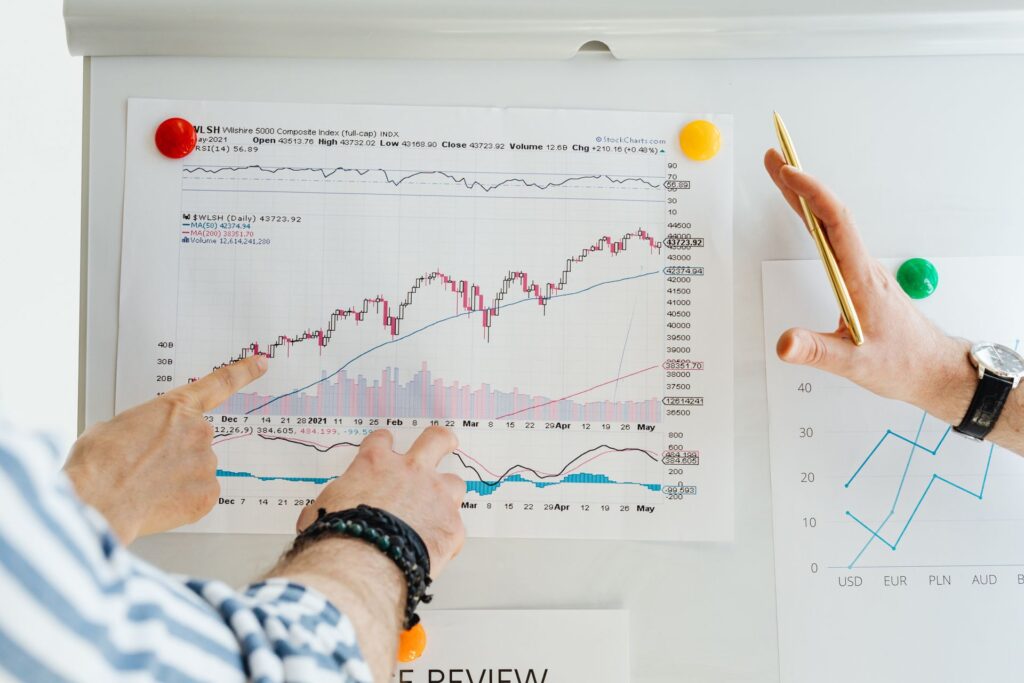
Running out of high-demand products while carrying excess inventory is rarely a purchasing problem alone. It is often the result of fragmented data, disconnected operations, and limited visibility across the business.
Disconnected systems create blind spots across retail operations. When stores, warehouses, and procurement teams work with different information, inventory levels quickly fall out of sync. Products may appear available in one system while being unavailable in another, causing missed sales opportunities and unnecessary replenishment orders.
An integrated inventory management system provides a single source of truth for inventory data across the organization. Combined with real-time analytics, businesses gain better visibility into stock movement and can respond faster to changing market conditions.
Inaccurate Forecasting Creates Inventory Imbalances
A modern forecast & replenishment solution helps retailers improve planning accuracy by analyzing real-time sales and inventory trends. An industry insight suggests that organizations implementing specialized demand forecasting software can achieve a 20–30% improvement in forecast accuracy compared to spreadsheet-based methods. By using data-driven forecasting, businesses can align purchasing decisions with actual demand and strengthen overall supply chain management performance.
Through genieX’s partner: RELEX, organizations gain access to an integrated planning platform that removes decision-making by consolidating all key demand drivers into a unified forecasting process. This comprehensive approach has been shown to reduce out of stock occurrences by 15–20% while also minimizing retail waste through granular, product-store-day level planning.
Poor Warehouse Management Leads to Stock Disparities
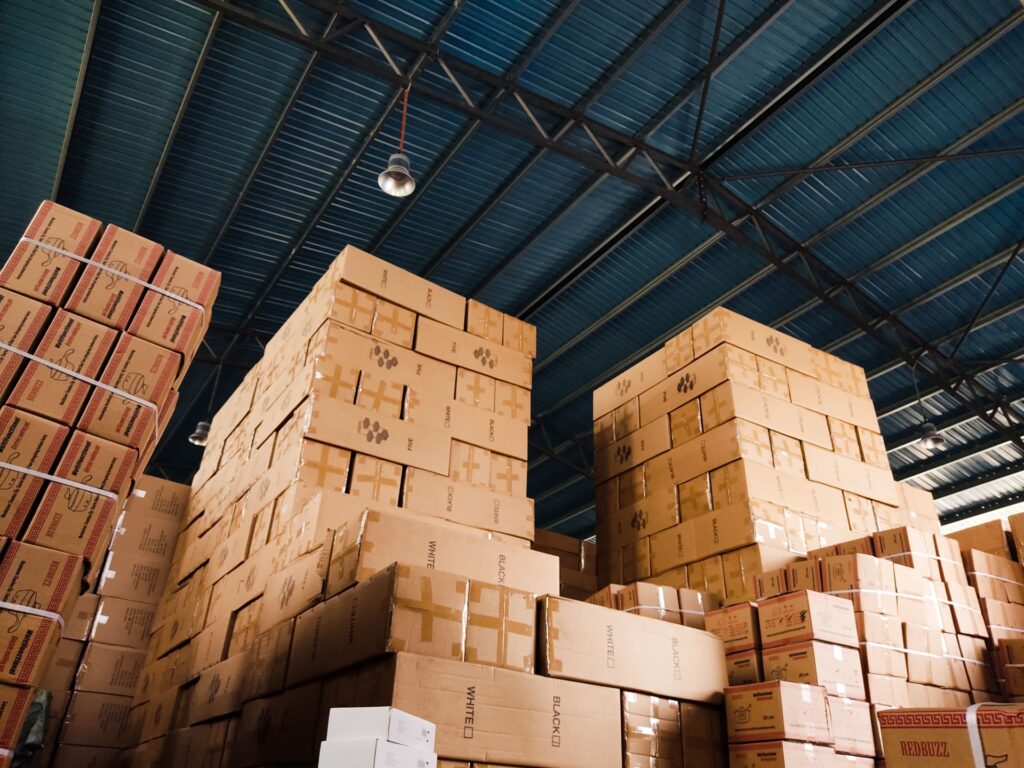
Inventory planning alone cannot solve stock availability issues if warehouse operations are inefficient. Delays in receiving, inaccurate stock counts, and manual processes can prevent products from reaching shelves even when inventory exists.
A robust warehouse management system (wms) improves operational accuracy through automated tracking, optimized storage, and real-time inventory updates. Moreover, an industry report suggests that organizations implementing warehouse management systems can achieve a 5–15% reduction in inventory carrying costs and inventory-related losses. When integrated with forecast and replenishment capabilities, warehouse operations can manage inbound and outbound inventory more efficiently, enabling better stock control while reducing the risk of both stockouts and excess inventory accumulation.
Through strategic partnerships with Blue Yonder and SCM ProFit, genieX provides advanced supply chain solutions that enhance operational efficiency and optimize storage and fulfillment across multiple locations. By leveraging automation and real-time inventory management, businesses can improve inventory accuracy from approximately 96% in manual environments to as high as 99.5%, significantly reducing errors while enhancing operational efficiency, order fulfillment, and customer satisfaction.
Transportation Inefficiency Disrupts the Supply Chain
Inventory accuracy does not end when products leave the warehouse. Delays in transportation, poor route planning, and limited shipment visibility can still result in empty shelves, missed replenishment schedules, and dissatisfied customers. Even with accurate forecasts and efficient warehouse operations, retailers risk losing sales if products are not delivered to the right locations on time.
A leading manufacturer of premium mattresses and sofas, The Sleep Company faced challenges in transporting large, bulky products efficiently. After implementing Fynd’s Transport Management System (TMS), the company transformed its delivery operations within just three months, achieving 75% fleet capacity utilization while significantly reducing logistics costs.
Through genieX’s partnership with Fynd, businesses gain access to a Transportation Management System that streamlines logistics through intelligent automation, real-time visibility, and data-driven decision-making. By replacing manual transportation processes, Fynd helps manufacturers optimize routes, reduce delivery costs, improve operational efficiency, and ensure more reliable, scalable logistics operations while enhancing customer satisfaction.
When integrated with demand forecasting and a warehouse management system, businesses gain end-to-end visibility from inventory planning through final delivery. This connected approach enables retailers to replenish fast-selling products more efficiently, reduce transportation costs, and maintain product availability across every store and distribution channel.
Conclusion
Avoiding the costly cycle of best seller stockouts and slow moving overstock requires more than accurate forecasting. It requires a connected and intelligent supply chain where planning, warehousing, and transportation work seamlessly together. Forecast and Replenishment solutions enable retailers to anticipate demand and automate inventory replenishment, while a Warehouse Management System (WMS) ensures real time inventory visibility and efficient warehouse execution. A Transportation Management System (TMS) further enhances supply chain performance by optimizing delivery planning, improving shipment visibility, and ensuring products reach stores and customers on time. Together, these solutions create a data driven inventory management strategy that improves product availability, reduces inventory costs, streamlines fulfillment, and strengthens operational agility. By embracing AI powered supply chain solutions, retailers can build a more resilient, responsive, and profitable business that is ready to meet changing customer demand with confidence.
About genieX
genieX provides end-to-end retail and supply chain technology solutions, headquartered in the Philippines and supported by global partners. With a consulting-first approach, genieX helps businesses redesign processes and integrate advanced technologies. From retail solutions such as POS systems, POS hardware, and self-service solutions to supply chain solutions including forecasting and demand planning, as well as warehouse and transportation management systems, genieX empowers organizations to make data-driven decisions, optimize operations, and drive long-term business growth.