Businesses make daily supply chain decisions, including inventory replenishment, warehouse allocation, delivery scheduling, and demand response. Yet many organizations still manage these functions through disconnected systems, spreadsheets, and delayed reports.
When inventory, warehousing, transportation, and enterprise planning operate independently, decision-makers lack a complete picture of their operations. The result is delayed responses, excess inventory, stock shortages, inefficient deliveries, and missed opportunities to improve customer service.
End-to-end supply chain visibility addresses this challenge by connecting every stage of the supply chain into a single, integrated ecosystem. Instead of relying on fragmented data, businesses gain real-time operational visibility that enables faster decisions, stronger collaboration, and greater resilience. According to Blue Yonder, organizations operating on connected supply chain platforms are better equipped to respond to changing demand because planning, inventory, and fulfillment teams work from the same real-time operational data rather than disconnected systems.
How Integrated Supply Chain Solutions Improve End-to-End Visibility
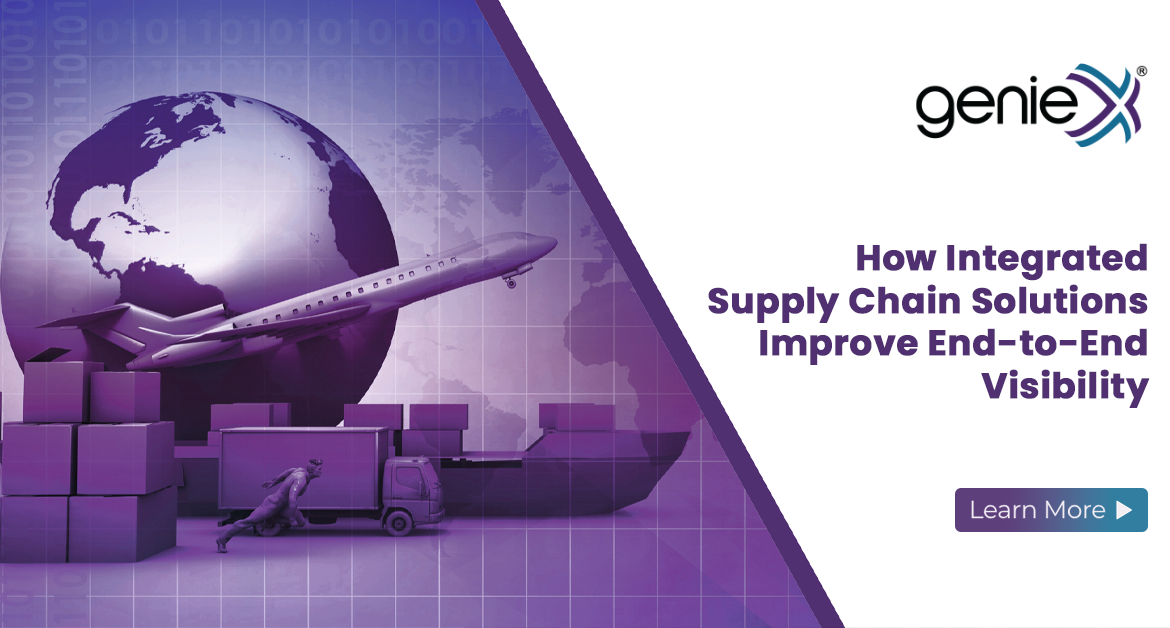
Integrated supply chain solutions connect planning, inventory, warehousing, transportation, and enterprise operations into one unified platform.
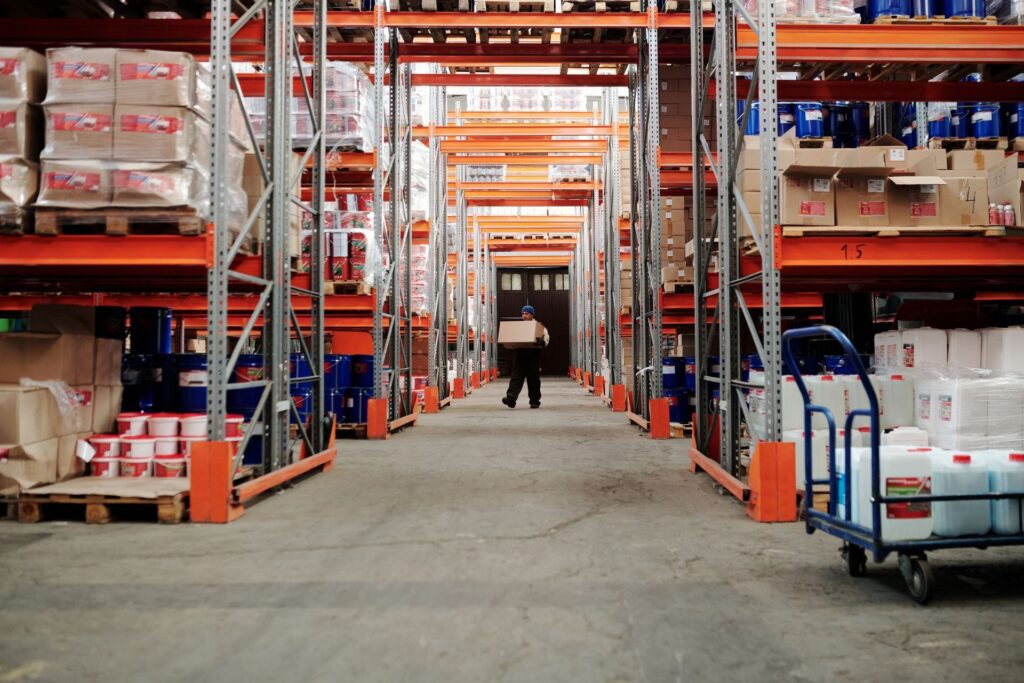
A modern integrated supply chain solution typically combines Forecasting & Replenishment, Warehouse Management Systems (WMS), and Transportation Management Systems (TMS). Rather than operating as separate applications, these systems continuously exchange information, creating a single source of truth across the organization.
For example, when demand forecasting detects rising customer demand, replenishment recommendations are automatically generated to maintain optimal stock levels. As inventory is received, transferred, picked, or shipped, warehouse operations update stock levels in real time. This accurate inventory data then flows into Transportation Management, allowing teams to plan deliveries more efficiently and coordinate shipments based on current stock availability. Instead of relying on manual updates between departments, every team works from the same operational data.
According to RELEX Solutions, integrating forecasting, replenishment, inventory optimization, and execution into a unified planning environment enables businesses to improve planning accuracy, optimize inventory levels, and respond more effectively to changing market conditions.
For business leaders, this connected approach delivers measurable operational benefits, including:
- Faster, data-driven decision-making
- Better collaboration across procurement, warehouse, logistics, and operations teams
- Improved inventory accuracy across multiple locations
- Earlier identification of operational bottlenecks and supply chain disruptions
- More efficient order fulfillment and customer service
Organizations gain visibility to anticipate challenges, respond proactively, and make informed business decisions.
How genieX Helps Businesses Build a Connected Supply Chain
Many organizations have already invested in systems for warehouse management, transportation, inventory, or enterprise planning. However, when these technologies operate independently, information becomes fragmented, limiting visibility and slowing decision-making.
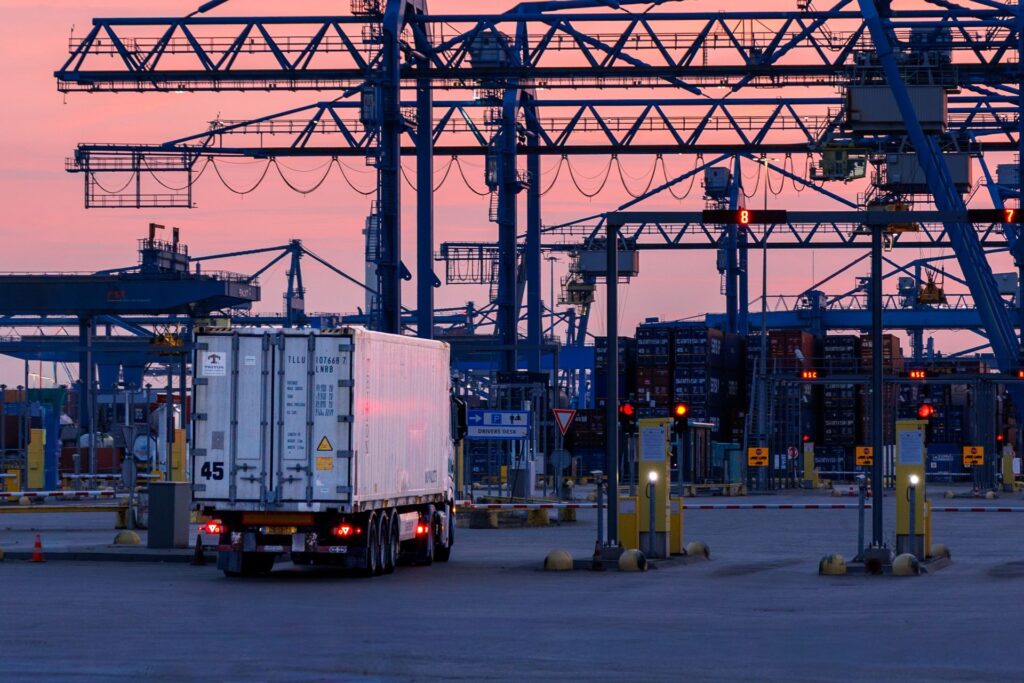
Through strategic partnerships with leading technology providers, including RELEX, Blue Yonder, SCM Profit, and Fynd, genieX helps organizations build an integrated supply chain that enhances end-to-end visibility across planning, forecasting and replenishment, inventory and warehouse management, and transportation management operations.
Rather than implementing standalone software, genieX works with businesses to connect critical supply chain systems into a unified ecosystem where information flows seamlessly across every stage of operations. This enables organizations to improve operational control, make faster business decisions, and build a more agile supply chain that can adapt to changing market conditions.
Build a More Connected and Resilient Supply Chain
As supply chains become increasingly complex, disconnected systems make it difficult to maintain operational visibility and respond quickly to change. Organizations that continue relying on fragmented information risk slower decision-making, higher operating costs, and reduced operational agility.
Investing in integrated supply chain solutions provides businesses with the visibility needed to optimize inventory, improve demand forecasting and replenishment processes, and ensure the right products are available at the right time. By connecting forecasting, inventory, warehouse, and transportation operations, businesses can reduce stockouts, minimize excess inventory, and respond more effectively to changing customer demand. This level of integration also improves warehouse and transportation coordination while strengthening overall supply chain performance. More importantly, it creates a connected foundation that supports smarter decision-making, greater operational resilience, and sustainable business growth.
By combining its consulting-first approach with industry-leading supply chain technologies, genieX helps organizations transform disconnected operations into an integrated, data-driven supply chain built for long-term success.
About genieX
genieX provides end-to-end retail and supply chain technology solutions, headquartered in the Philippines and supported by global partners. Through a consulting-first approach, genieX helps businesses redesign processes and integrate advanced technologies. From forecasting and demand planning, through warehouse and transport management systems, to retail POS systems, genieX enables organizations to make data-driven decisions, optimize operational performance, and support long-term business growth.