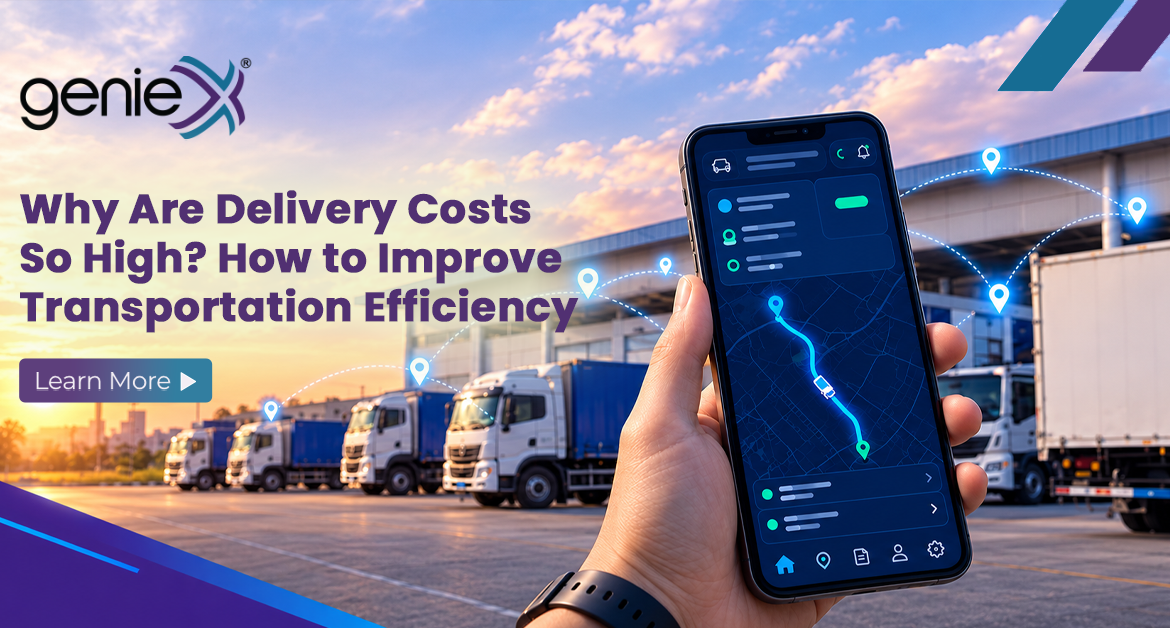
Every extra kilometer, unnecessary trip, and underutilized vehicle adds to the cost of getting goods where they need to go.
As shipment volumes and delivery networks grow, retail, distribution, manufacturing, FMCG, courier, and logistics businesses struggle to manage transportation costs. From suppliers and manufacturing facilities to warehouses, stores, and customers, transportation requires coordinating vehicles, drivers, routes, delivery schedules, and destinations.
A transportation management system (TMS) can help businesses bring these moving parts together by centralizing transportation planning, dispatch, tracking, and optimization. With better visibility and coordination, businesses can make more informed transportation decisions, improve resource utilization, and control unnecessary delivery costs.
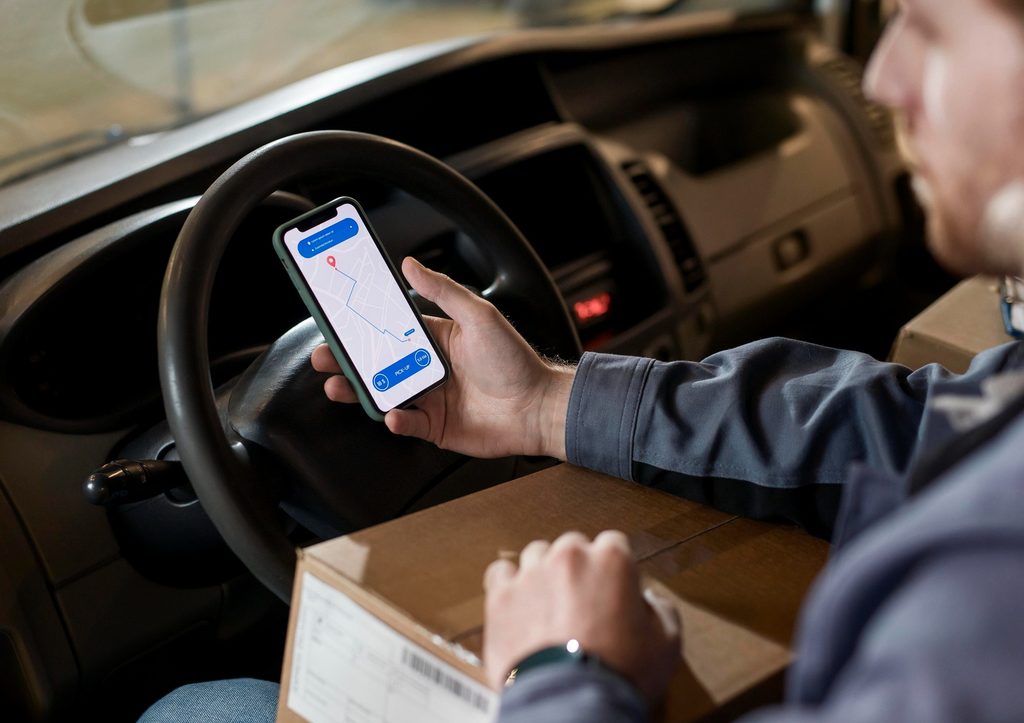
Why Are Delivery Costs So High?
High delivery costs are not always caused by fuel prices or fleet size. Operational inefficiencies can also increase the cost of every shipment and delivery.
Inefficient Route Planning
Poorly planned routes can result in longer travel distances, unnecessary stops, and inefficient delivery sequences. These inefficiencies can increase fuel consumption, driver hours, and vehicle operating costs.
Poor Vehicle Utilization
Vehicles that operate below capacity or return without a load can increase the cost of each shipment. Furthermore, when fleet capacity is not aligned with shipment volume and requirements, businesses may also end up making more trips than necessary.
Manual Dispatch and Assignment
Manually assigning deliveries, drivers, and vehicles becomes more difficult as operations grow. However, dispatchers must consider location, vehicle capacity, driver availability, service areas, and delivery schedules at the same time, increasing the risk of errors.inefficient assignments.
Failed or Repeated Deliveries
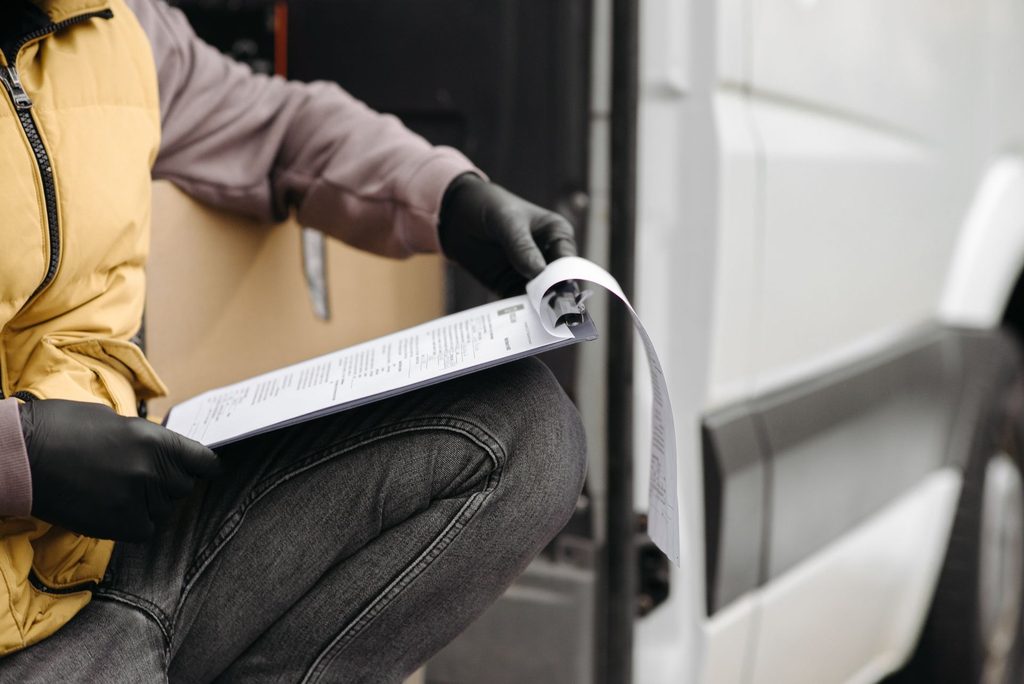
Incorrect addresses, missed delivery windows, and failed delivery attempts lead to extra trips, higher labor costs, and longer delivery times.
Limited Transportation Visibility
Without centralized visibility, businesses may struggle to monitor vehicle locations, shipment status, delivery progress, and operational exceptions. This makes it harder to respond quickly when problems occur and identify recurring inefficiencies.
How Can Businesses Reduce Transportation Costs?
Businesses can reduce transportation costs by improving route planning, vehicle utilization, dispatch, delivery visibility, and shipment coordination. A transportation management system can help centralize these activities, automate repetitive processes, and provide data for better transportation decisions.
A 2025 study by Cascalla et al., which surveyed 244 managers and owners of small businesses in Batangas City, found that transportation management systems were effective in supporting operations management, freight management, and tracking. The findings reinforce the value of TMS in improving visibility, coordination, and overall transportation efficiency.
Optimize Routes and Delivery Sequences
TMS can help determine more efficient routes by considering delivery locations, vehicle capacity, service areas, schedules, and other transportation requirements. Better route planning can reduce unnecessary travel while helping vehicles complete more deliveries within available operating hours.
The potential impact can be significant. A Schneider transportation optimization case study found that better transportation planning could generate millions in annual savings. This demonstrates how TMS can help businesses identify opportunities to reduce transportation costs.
Improve Vehicle Utilization
TMS can help businesses match shipments with appropriate vehicles and coordinate deliveries more efficiently. Better load planning and shipment consolidation can help maximize available capacity and reduce unnecessary trips.
Automate Dispatch and Assignment
Automated dispatch can assign deliveries based on factors such as location, vehicle availability, capacity, and delivery requirements. This reduces the amount of manual coordination required and helps dispatchers manage larger delivery volumes more efficiently.
Track Deliveries in Real Time
TMS provides centralized visibility into active shipments, vehicle locations, delivery status, and estimated arrival times. This allows businesses and logistics providers to monitor deliveries as they happen, respond to delays, and keep customers updated.
Use Transportation Data to Improve Operations
TMS can also provide data on route performance, vehicle utilization, delivery times, delays, and other transportation metrics. These insights can help businesses identify recurring problems and make better decisions about fleet and delivery operations.
When integrated with other systems, TMS can also support broader supply chain management. Integrating transportation with an ERP, WMS, or inventory system syncs inventory, boosts visibility, cuts costs, and speeds up fulfillment.
How Can genieX Help Improve Transportation Efficiency?
Improving transportation efficiency requires more than implementing software. Businesses also need processes and systems that work together to support actual operational requirements, from transportation planning and dispatch to delivery tracking and fleet coordination.
genieX takes a consulting-first approach to technology implementation, helping businesses redesign processes and integrate solutions that support operational efficiency and long-term growth. For transportation operations, genieX offers a transportation management system through its collaboration with FYND, a technology platform provider focused on commerce and supply chain solutions.
FYND TMS supports route optimization, automated dispatch, real-time tracking, fleet coordination, and centralized transportation visibility across first-mile, middle-mile, and last-mile operations. It can also integrate with ERP, WMS, OMS, POS, and third-party carrier systems, helping businesses connect transportation activities with other parts of their operations.
For distribution and logistics providers, as well as businesses managing their own fleets, this can create a more connected way to plan, execute, and monitor deliveries. Instead of relying on additional vehicles or resources as delivery volumes increase, businesses can focus on improving how existing transportation capacity is planned and utilized.
Ultimately, improving transportation efficiency means having greater control over how goods move, how resources are used, and how quickly teams can respond to changes. A well-implemented TMS can give businesses the visibility, coordination, and operational control they need to manage transportation costs while keeping delivery operations ready to scale.
About genieX
genieX provides end-to-end retail and supply chain technology solutions, headquartered in the Philippines and supported by global partners. Through a consulting-first approach, genieX helps businesses redesign processes and integrate advanced technologies. From forecasting and demand planning, through warehouse management systems and transport management systems, to retail POS systems, genieX enables organizations to make data-driven decisions, optimize operational performance, and support long-term business growth.