The food service industry in the Philippines continues to evolve as restaurants adapt to rising customer expectations, economic pressures, and digital transformation. From fast-food chains to local cafés, many businesses face operational challenges that directly impact profitability and customer experience. To remain competitive, more restaurant owners are investing in self-service systems alongside digital ordering technologies.
Maintaining Consumer Satisfaction Amid Evolving Preferences
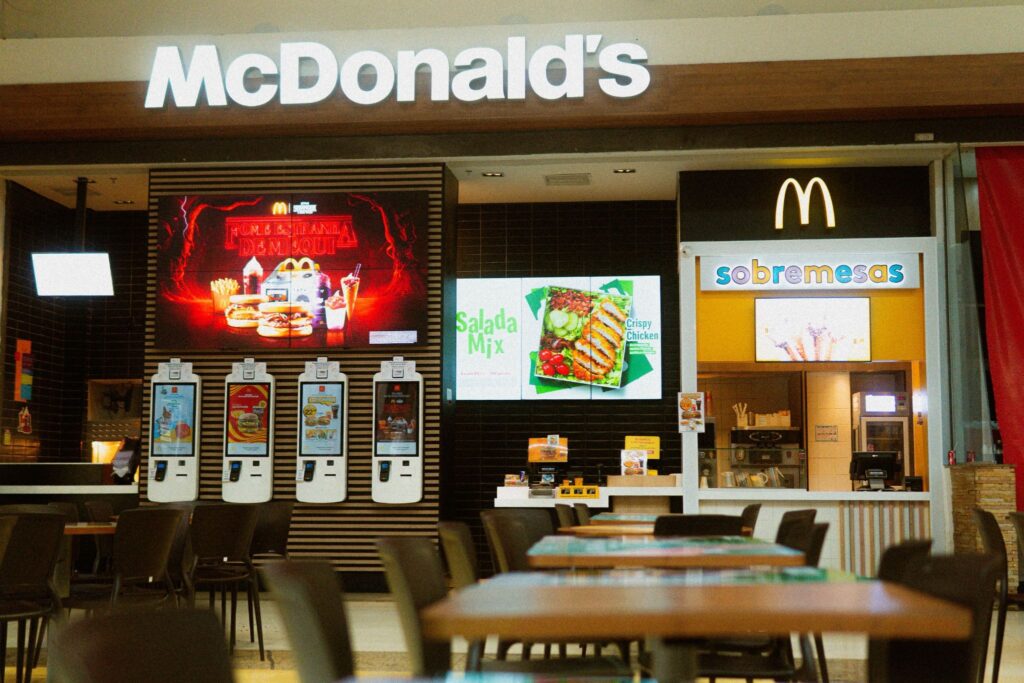
One of the most pressing challenges for restaurant owners today is maintaining consumer satisfaction amid rapidly changing customer expectations. Filipino diners increasingly demand faster service, accurate orders, and more convenient payment options. However, long waiting times, order inaccuracies, and limited payment methods continue to discourage purchases and negatively affect the overall dining experience.
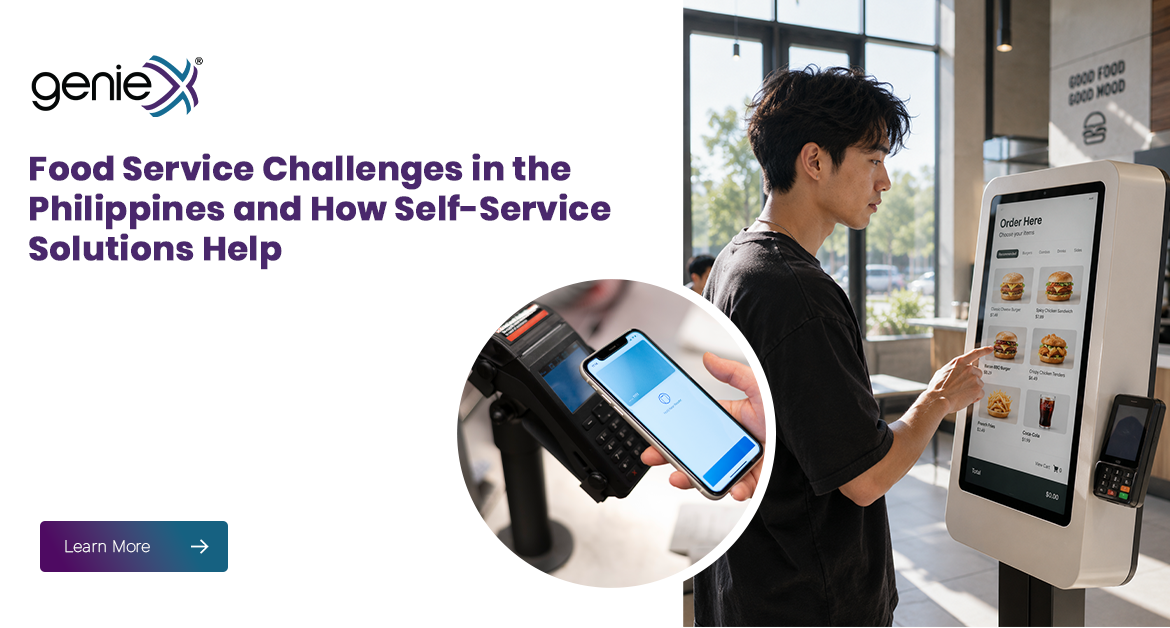
Many diners, especially younger consumers, now prefer digital interactions and are more comfortable using mobile technology. Implementing self-ordering platforms allows customers to browse menus, customize orders, and complete payments independently, reducing human error and improving order accuracy. It also helps minimize congestion by enabling diners to place orders directly from their tables or even before arriving at the restaurant.
These automated ordering systems improve operational efficiency and create a smoother dining experience, particularly during peak hours when staff are managing high customer volumes.
Moreover, according to industry findings, restaurants that adopted self-service ordering kiosks achieved up to 80% customer usage when flexible payment options were available. Businesses also reported that transactions generated up to 10% higher sales compared to traditional counter ordering, contributing to stronger revenue growth.
The Impact of Inflation on Average Order Size
Restaurants in the Philippines are also feeling the effects of inflation and ongoing economic uncertainty, which have led to more cautious consumer spending. As customers become more selective with their dining budgets, businesses are challenged to maximize efficiency while still encouraging repeat visits and higher-value orders.
According to industry findings, restaurants that implement self-ordering systems often experience a 15% to 30% increase in average order value. These platforms support upselling by automatically suggesting add-ons, meal upgrades, and promotional bundles during the ordering process, influencing customer decisions at the point of purchase.
Beyond improving convenience, self-service technologies also help strengthen profitability by encouraging customers to explore more menu options without the pressure of queues or rushed interactions. This creates a more deliberate ordering experience that benefits both customers and restaurant operators.
Managing Inconsistent Service Caused by Employee Turnover
Many food businesses continue to struggle with labor shortages and high employee turnover, making it difficult to maintain consistent service quality. Recruitment and training challenges often result in operational gaps, increased costs, and variability in customer experience.
Restaurant automation tools, including digital kiosks and contactless ordering systems, help stabilize operations by ensuring that service can continue efficiently even during staffing shortages. These self-service solutions also reduce the workload on frontline staff, allowing for smoother scaling of operations and improved workforce management.
By minimizing the need for employees to focus primarily on cashier duties, managers can reassign staff to higher-value roles such as food preparation, customer assistance, order fulfillment, and maintaining store cleanliness. This shift not only improves operational efficiency but also contributes to a more balanced and sustainable workflow within the restaurant environment.
Meet menuX: The Interactive Ordering Solution
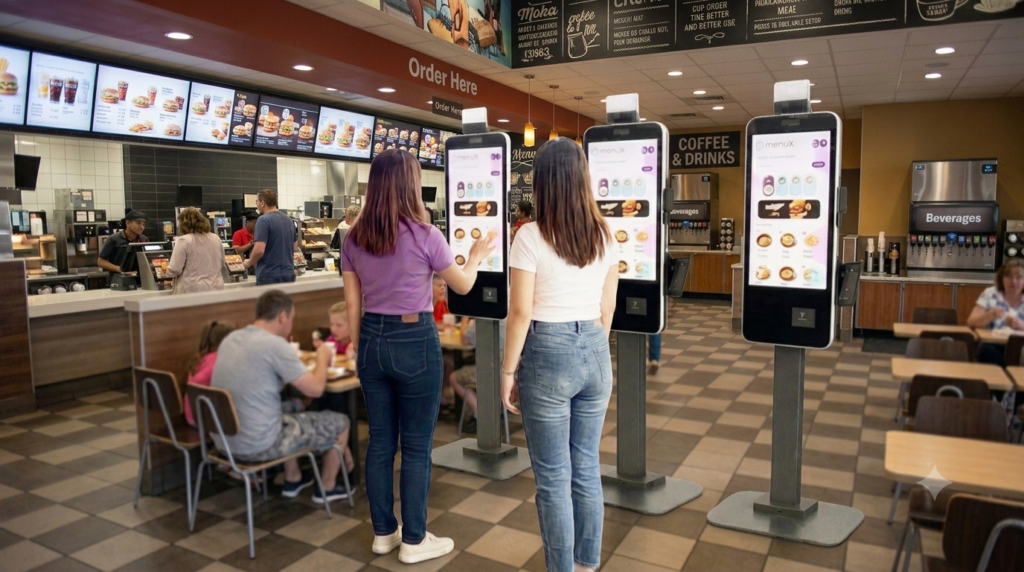
As the food service industry continues to evolve, restaurants are under increasing pressure to deliver faster service, improve operational efficiency, and provide a seamless customer experience. To stay competitive, businesses need innovative solutions that streamline operations while meeting the growing expectations of today’s diners.
MenuX is a self-service restaurant solution designed to address the most common operational challenges faced by modern food businesses. Developed by genieX, a digital transformation company providing end-to-end business solutions, menuX delivers a combination of smart technology, dependable performance, and user-friendly design in a flexible, hardware-agnostic platform.
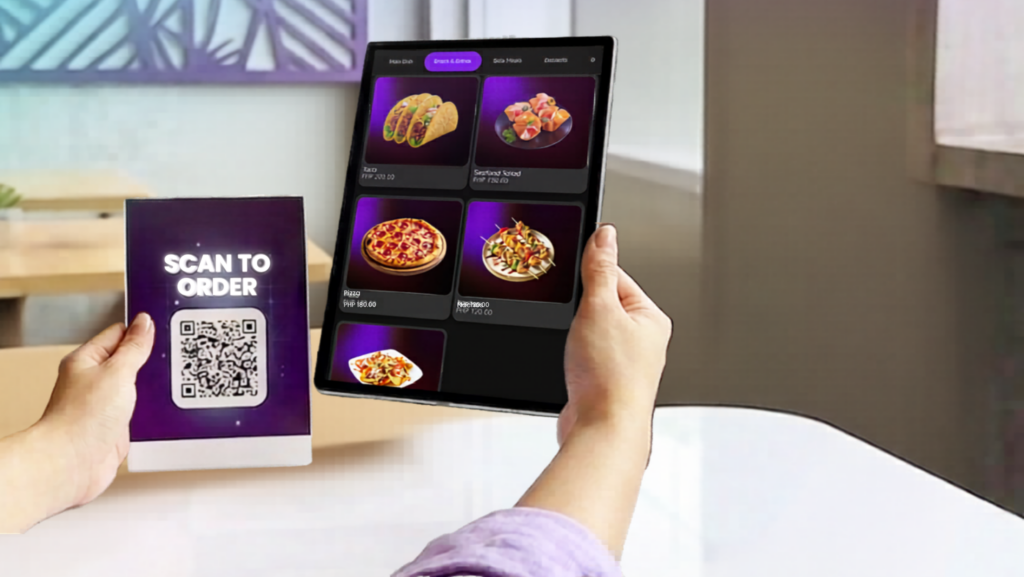
The platform supports multiple ordering channels—including in-store kiosks, QR Table ordering, and mobile app ordering—giving customers faster and more convenient ways to place orders while helping restaurants streamline operations.
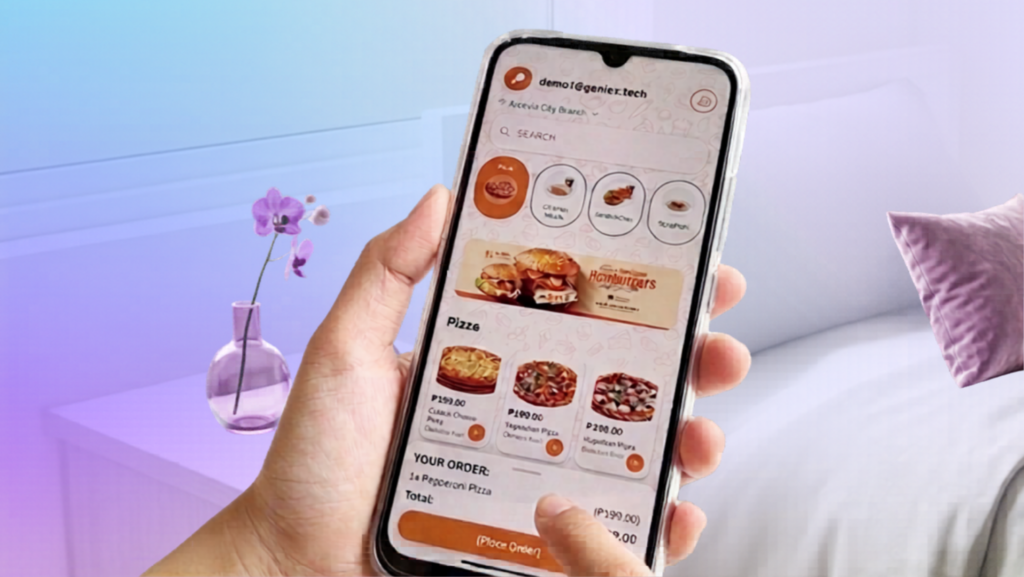
By automating and optimizing the ordering process, menuX helps reduce waiting times by over 25%, improve order accuracy, and increase operational efficiency. Its hardware-agnostic and API-ready architecture also enables seamless integration with existing restaurant systems, making deployment simple and scalable.
Furthermore, menuX is designed to support BIR compliance and mall operational standards, helping restaurants accurately manage order processing and sales tracking while maintaining compliance requirements.
As restaurants continue to adapt to changing customer expectations and operational demands, self-service solutions like menuX provide a practical way to improve service speed, enhance customer experience, and support long-term business growth.
Adopting Self-Service Technology In The Philippines
As competition in the Philippine food service industry intensifies, restaurants can no longer rely on traditional processes alone to keep up with rising customer expectations. Self-service technologies such as kiosks, QR Table ordering, and mobile App ordering are becoming essential tools for reducing wait times, improving customer satisfaction, overcoming labor constraints, and delivering a more seamless dining experience.
By partnering with a technology innovator like genieX, food businesses can streamline operations, enhance service efficiency, and turn everyday operational challenges into opportunities for growth. Restaurants that invest in automation today are not only improving performance in the present—they are building a more agile, scalable, and customer-centric business for the future.
About genieX
genieX provides end-to-end retail and supply chain technology solutions, headquartered in the Philippines and supported by global partners. With a consulting-first approach, genieX helps businesses redesign processes and integrate advanced technologies. From retail solutions such as POS systems, POS hardware, and self-service solutions to supply chain solutions including forecasting and demand planning, as well as warehouse and transportation management systems, genieX empowers organizations to make data-driven decisions, optimize operations, and drive long-term business growth.